The Nintendo Blueprint: Engineering Joy and Disruption from Famicom to Switch
In an era dominated by hyper-realistic graphics and complex online multiplayer ecosystems, Nintendo often takes a different path, focusing instead on accessible fun and unique interactive experiences. This divergence isn't new; it's a foundational element of their corporate DNA, visible from their earliest arcade hits to their latest console sensations. While other companies chase raw processing power or embrace the latest trends, Nintendo frequently opts for a distinct technological approach coupled with a profound understanding of player psychology. This article delves into how Nintendo has consistently engineered disruption, not through brute force, but through ingenious design and a relentless pursuit of novel ways for people to play.
Their historical trajectory reveals a pattern of risk-taking and an almost stubborn refusal to conform to industry norms, a strategy that has repeatedly paid off, fundamentally reshaping the video game landscape. By examining key products, we can dissect the strategic decisions that have allowed Nintendo to remain a dominant and beloved force in the entertainment world for decades. Understanding this journey can offer insights not just into game development, but into sustained innovation in any tech-driven industry, much like how data-driven platforms like Pakwin777 provide deep dives into game mechanics, revealing the nuances that shape player experience.
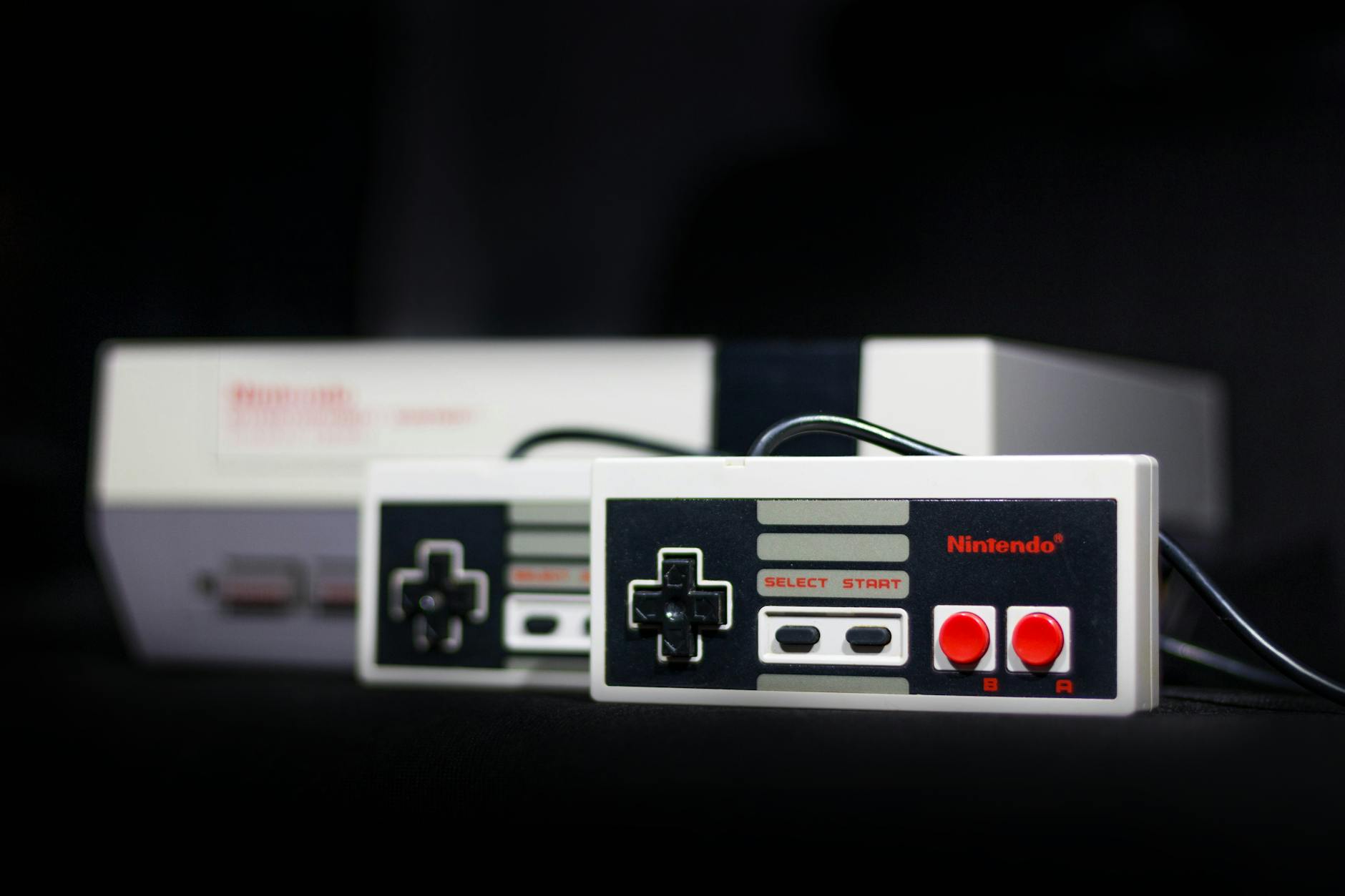
Photo by Tomasz Filipek on Pexels
What Defines Nintendo's Unique Approach to Innovation?
Nintendo's innovation isn't merely about creating new hardware; it's about pioneering new gameplay paradigms. Unlike competitors who often focus on incremental improvements in graphics or processing speed, Nintendo frequently introduces entirely new ways for players to interact with games. Take the Wii, for example. At a time when Sony and Microsoft were locked in a "teraflops war," Nintendo pivoted to motion controls, opening up gaming to a broader, more casual audience. This strategic decision was based on identifying a gap in the market and fulfilling an unmet desire for intuitive, family-friendly entertainment. Their belief in simplicity and direct interaction distinguishes their products.
This commitment extends beyond a single console. The DS revolutionized portable gaming with its dual screens and touchscreen capabilities, while the Switch seamlessly blended home console and handheld experiences. Each major release isn't just an upgrade; it's often a redefinition of what a video game console can be, driven by a philosophy that prioritizes novelty and shared joy over raw technical prowess. While the graphics might not always be cutting-edge, the revolutionary mechanics often are, proving that innovation can be found in interface design and user experience as much as in silicon.
How Did the Famicom/NES Lay the Groundwork for Future Success?
The Famicom, known as the Nintendo Entertainment System (NES) in the West, was more than just a successful console; it was the phoenix that rose from the ashes of the 1983 video game crash. Its genius lay not just in its hardware, which was robust for its time, but in its meticulous approach to software quality and third-party developer relations. Nintendo introduced strict licensing agreements and quality control measures, ensuring a consistent standard of games, which was a stark contrast to the flood of low-quality titles that led to the crash. This fostered trust with consumers and developers alike, establishing a dependable ecosystem.
Furthermore, the NES introduced iconic franchises like Super Mario Bros. and The Legend of Zelda, titles that pioneered open-world design, intricate level design, and engaging narratives. These games were not just entertaining; they pushed the boundaries of what was possible on home consoles, setting new benchmarks for the industry. This blend of strong hardware, rigorous quality control, and groundbreaking software established Nintendo's reputation as a reliable and innovative leader, creating a blueprint for future generations of consoles and solidifying their place in gaming history.
What Role Did the Game Boy Play in Shaping Portable Entertainment?
The Game Boy wasn't the first portable video game device, but it was undoubtedly the most influential. Launched in 1989, its simple design, monochrome screen, and incredible battery life revolutionized on-the-go gaming. While competitors offered color screens and more powerful processors, Nintendo once again prioritized accessibility and practicality. The decision to use an affordable, low-power display made the device durable and long-lasting on minimal battery power, perfectly aligning with its portable nature. This was a direct lesson from the success of the Famicom: sometimes "good enough" technology, coupled with brilliant design, is superior to bleeding-edge specs.
The Game Boy's immense success was also fueled by its killer app: Tetris. Bundling this addictive puzzle game tapped into a universal appeal, attracting casual players alongside dedicated gamers. This broadened the market dramatically, making gaming a more mainstream activity. The Game Boy proved that a device didn't need flashy graphics to be compelling; it needed to be fun, convenient, and offer engaging software. Its legacy endures in every smartphone game and portable console that followed, demonstrating Nintendo's foresight in understanding consumer habits and desires for instant, everywhere entertainment.
Why Was the Nintendo Wii a Game-Changer Despite Technical Limitations?
The launch of the Nintendo Wii in 2006 marked a radical departure from the industry's focus on high-definition graphics and ever-increasing processing power. While its rivals, the Xbox 360 and PlayStation 3, were boasting about their powerful specifications, Nintendo introduced a console with distinctly modest hardware but revolutionary motion controls. This strategic choice was counter-intuitive to many at the time but proved to be a stroke of genius. The Wii removed the barrier of complex button inputs, making gaming instantly accessible to an entirely new demographic—families, seniors, and non-gamers alike.
The success of the Wii fundamentally altered the definition of a "gamer" and expanded the market far beyond its traditional boundaries. Wii Sports, bundled with the console in many regions, showcased the intuitive nature of its motion controls, allowing players to swing a virtual tennis racket or bowl a digital strike with natural gestures. This emphasis on inclusive, active, and social gameplay led to unprecedented sales figures and left an indelible mark on the industry, demonstrating that groundbreaking innovation can stem from user interface and experience design rather than raw computational muscle.

Photo by Roberto Lee Cortes on Pexels
How Does Nintendo Revolutionize Gaming with the Switch's Hybrid Design?
The Nintendo Switch, launched in 2017, embodies Nintendo's unique problem-solving approach by brilliantly merging the concepts of home console and portable gaming. Instead of focusing on sheer graphical power to compete with PlayStation or Xbox, Nintendo addressed a common pain point: the desire to play high-quality games both on a big screen at home and on the go. The Switch's hybrid design, with its detachable Joy-Cons and seamless docking capabilities, allows players to transition between playing on a TV and playing handheld within seconds. This fluid transition offered unparalleled convenience and flexibility, setting a new standard for gaming hardware.
This innovation wasn't just about hardware; it unlocked new gameplay possibilities. Games like The Legend of Zelda: Breath of the Wild and Super Mario Odyssey were designed to be equally captivating whether played on a large TV or during a commute, showcasing the versatility of the console. The Switch also fostered local multiplayer experiences with its readily available detachable controllers, encouraging social interaction in a world increasingly dominated by online play. This thoughtful integration of hardware design with software experience solidified the Switch's status as a revolutionary piece of technology, proving that user experience innovation can drive massive commercial success and influence how a generation plays.
What Lessons Can Be Learned from Nintendo's Consistent Innovation?
Nintendo's journey from playing cards to global gaming giant offers invaluable lessons in sustained innovation and market disruption. Their success isn't typically driven by being "first" to a technology or having the "most powerful" hardware. Instead, it's rooted in a deep understanding of user needs, a willingness to take risks on unconventional ideas, and an unwavering commitment to fun and accessibility. They consistently prioritize innovative gameplay mechanics and user experience over chasing technological arms races. This focused approach allows them to carve out unique market segments and create products that resonate deeply with diverse audiences.
Moreover, Nintendo understands the power of strong intellectual property and the importance of fostering a loyal fan base through consistently high-quality software. Their strategic vision allows them to pivot and adapt, even when facing significant challenges, much like how players in the Aviator crash game must adapt their strategy based on real-time data and volatility. The company's ability to reinvent itself while staying true to its core values offers a compelling case study for any brand looking to achieve long-term relevance and impact in a rapidly evolving industry. Platforms like Pakwin777, which provides Aviator Insights, likewise demonstrate the power of data-driven analysis to understand and master complex, dynamic environments.
Is Nintendo's Focus on Joy and Simplicity a sustainable strategy?
While some critics occasionally question Nintendo's graphical fidelity compared to rivals, their consistent market success and strong financial performance suggest that their focus on joy and simplicity is not just sustainable but highly effective. By prioritizing unique interactive experiences and broad appeal, Nintendo taps into a fundamental human desire for accessible entertainment. This strategic differentiation allows them to avoid direct competition in the "power wars" and instead create blue oceans of innovation. Their games often become cultural phenomena precisely because they are approachable and universally enjoyable, blurring the lines between "hardcore" and "casual" gamers.
This strategy also positions them well for future innovations. As technology continues to evolve, the demand for novel input methods, augmented realities, and interactive experiences beyond traditional screens is growing. Nintendo's history of experimenting with new ways to play, from motion controls to hybrid consoles, indicates they are naturally aligned with these emerging trends. Their resilience and ability to constantly redefine what gaming can be, without succumbing to fleeting fads, underscores the long-term viability of their unique, player-centric approach.

Photo by Gustavo Fring on Pexels
Frequently Asked Questions
Q: What is Aviator?
A: Aviator is a social multiplayer crash game where an increasing multiplier curve can crash at any time. It moves away from traditional slot mechanics to offer a real-time, decision-based experience.
Q: How does Aviator work?
A: You place a bet and watch a plane take off with a rising multiplier. Your task is to click "Cash Out" before the plane flies away. If the plane disappears before you settle, your bet is lost.
Q: Can I play Aviator for free?
A: Yes. Most licensed platforms offer a "Demo Mode" where you can use virtual credits to practice the timing and explore the interface without any financial risk.
Q: Is Aviator a slot game?
A: No, it is classified as a "Crash" or "Instant" game. It does not use reels, symbols, or paylines; instead, it relies on a single rising multiplier and player-controlled exit points.
Q: Can I play Aviator on mobile?
A: Absolutely. The game is built on HTML5 technology, making it fully compatible with all modern smartphones, tablets, and desktop browsers.
Q: Is Aviator easy for beginners?
A: Yes. The rules are intuitive: watch the number go up and click before it stops. However, we recommend starting with the demo to get used to the speed of the flight.
Q: Is there a strategy for Aviator?
A: While the outcome is random, many players use the "Double Bet" strategy—cashing out one bet at a low multiplier (like 1.5x) to cover costs, while letting the second bet run for higher gains.
Q: Is Aviator available everywhere?
A: Availability depends on your local gambling laws and the specific casino operator’s license. Always verify the legal status of online gaming in your region before playing.
Q: How do I know the game is fair?
A: Aviator uses "Provably Fair" technology. This means the result of each round is generated via a transparent cryptographic hash that any player can independently verify after the round ends.
Q: What is the maximum win in a single round?
A: The multiplier can technically reach 10,000x, but this is extremely rare. Maximum payouts are also subject to the specific limits set by the casino platform you are using.